

Specification8 min
Choosing limestone for external paving in cold and wet climates
Cold and wet exposure makes water management, freeze-thaw suitability and surface texture central to a paving specification.
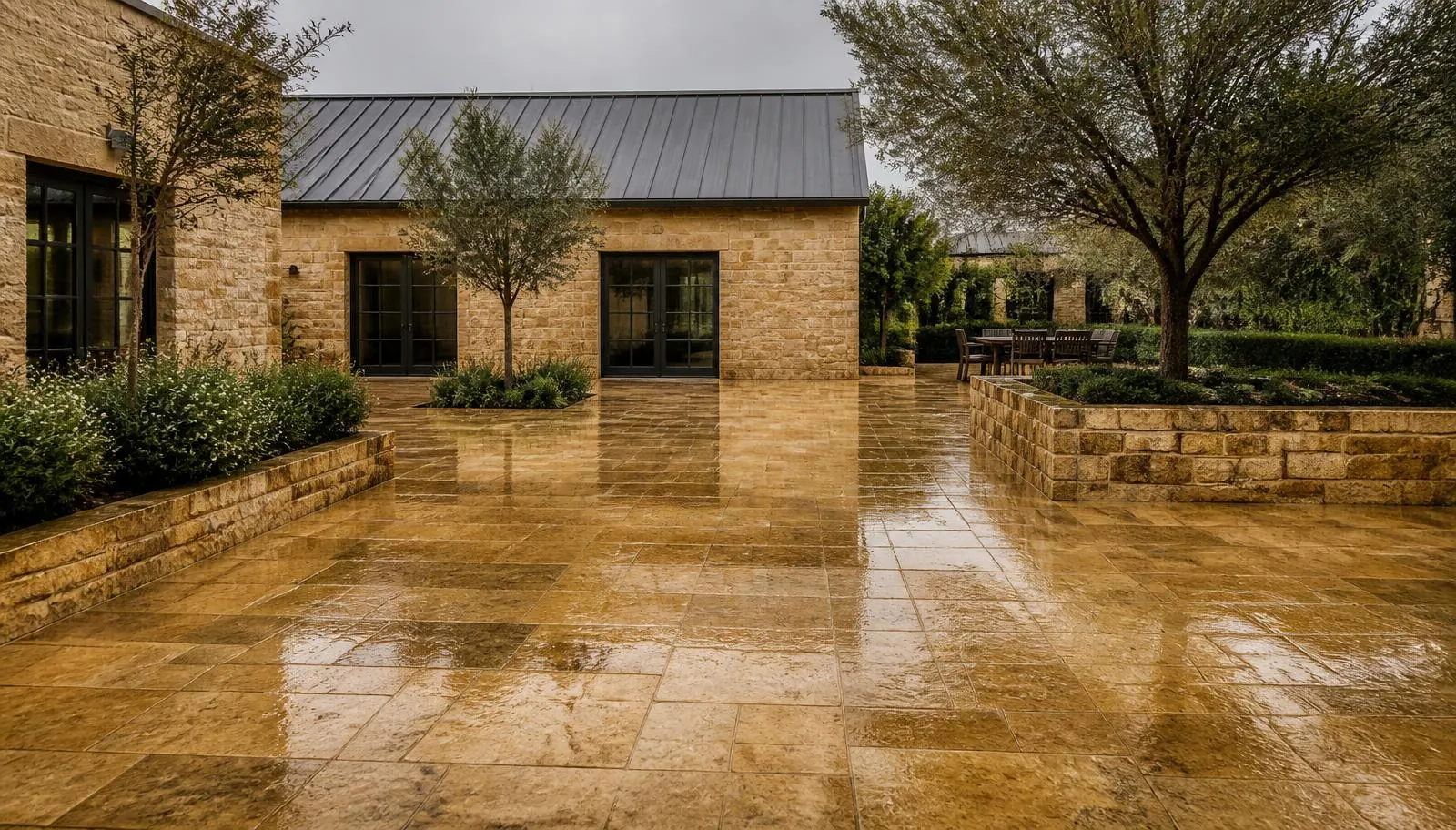
Start with exposure, not colour
External paving in a cold, wet climate is a system exposed to rain, saturation, freezing, salts, shade and repeated cleaning. The stone matters, but so do its finish, thickness, bedding, joints, falls, edge restraint and maintenance. A generic statement that a limestone is suitable outdoors is not enough because a sheltered terrace and an exposed entrance face different risks. Describe whether the area is pedestrian or trafficked, covered or open, level or stepped, shaded or quick drying, and whether de-icing products are expected. That brief lets the supplier and project designer assess the actual application.
Water is the connecting issue. It influences freeze-thaw stress inside pores, wet slip at the surface, staining from the bedding and biological growth where paving stays damp. Good design aims to limit persistent saturation and remove surface water rather than expecting the stone alone to compensate for poor drainage. Buyers should involve the responsible designer and installer early, follow applicable local standards and use project-specific technical advice. Supplier guidance can help select material, but it cannot certify an installation detail that the supplier has not seen.
Ask for relevant stone evidence
Request current technical information relevant to external use, including water absorption and freeze-thaw performance where available and required. The value must identify the test method, specimen condition and material represented. Results for another limestone, another bed or an unspecified finish should not be treated as proof for the shipment. Natural stone varies, so ask how the tested sample relates to current production and whether the supplier controls the source. Avoid invented thresholds and universal pass-fail claims; local requirements and project exposure determine how evidence is interpreted.
Physical inspection remains useful alongside documents. Look for open laminations, weak clay-rich partings, unstable surface flakes and repairs that may not suit the exposure. A natural cleft is not automatically a defect, but loose layers should be removed during production and inspection. Ask how thickness is measured on riven material and what tolerance the installer should expect. Dense Shahabad limestone is widely used as paving, yet selection and workmanship still matter. No geological name removes the need to approve the batch and verify suitability for the specific climate and detail.
Choose a finish for wet use
For exposed walking surfaces, texture is usually preferable to sheen. Natural riven and appropriately brushed or textured finishes provide more surface relief than honing or polishing. Polished limestone is generally unsuitable for wet external horizontal areas. A finish label alone is not a slip rating, however. Brushing can be light or pronounced, and riven character varies by bed and piece. Where slip performance is critical, request evidence for the actual finish and use the test method required in the destination market. Do not transfer a result from one finish to another.
Consider how the surface will age. Dirt, algae, leaf matter, ice and worn sealers can change underfoot behaviour regardless of an initial result. Deep texture may improve grip but can retain dirt or make wheeled access less comfortable. Steps, ramps, pool surrounds and public entries require particular care and professional assessment. Review several full-size samples wet and dry, wearing the footwear likely in use. That practical review does not replace testing, but it reveals whether the texture, colour change and cleaning burden fit the setting.
Drainage and installation control performance
Paving should be laid to effective falls with no unintended hollows that hold water. Drainage outlets must remain accessible and sized by the project designer. The bedding system should provide stable support and be compatible with the limestone, substrate and climate. Voids can collect water and concentrate loads; unsuitable mortars or inconsistent contact can contribute to staining and failure. Movement provision, perimeter details and joint design must follow local practice. These are installation decisions, so obtain a written method from the responsible contractor rather than relying on a quarry brochure.
Thickness and format should be matched to loading, support and stone properties. A large slab behaves differently from a small paver, and nominal thickness alone does not establish structural capacity. Verify actual tolerances, especially with riven faces, so finished levels and bedding can be planned. Detail edges to avoid trapped water and vulnerable unsupported overhangs. Keep drainage layers and weep paths clear during construction. Protect freshly laid work from weather as required by the installation products. Many failures described as bad stone begin with a detail that kept otherwise serviceable material wet.
Samples, sealers and winter maintenance
Assess samples in representative outdoor light and wet them fully. Limestone usually darkens when wet, and tonal variation can become more visible. Test the proposed sealer, grout, mortar and cleaner on spare pieces from the order. A sealer may reduce absorption or staining, but it does not make an unsuitable stone frostproof and cannot correct poor falls. Some treatments alter colour or surface behaviour. Follow the treatment manufacturer's instructions for substrate moisture, application temperature, curing and renewal, and confirm that the product is intended for exterior limestone.
Maintenance should remove leaves, soil and biological growth before they create persistent damp or slippery areas. Use products stated to be compatible with limestone; acidic cleaners can attack calcium-carbonate stone. Aggressive close-range pressure washing may damage surfaces, joints or treatments. Winter maintenance products must also be checked for compatibility with the stone and installation system. Inspect joints, drainage and local movement periodically, and repair defects that admit water. Keep spare pieces from the original batch for damage replacement because later quarry production may not match exactly.
A cautious approval checklist
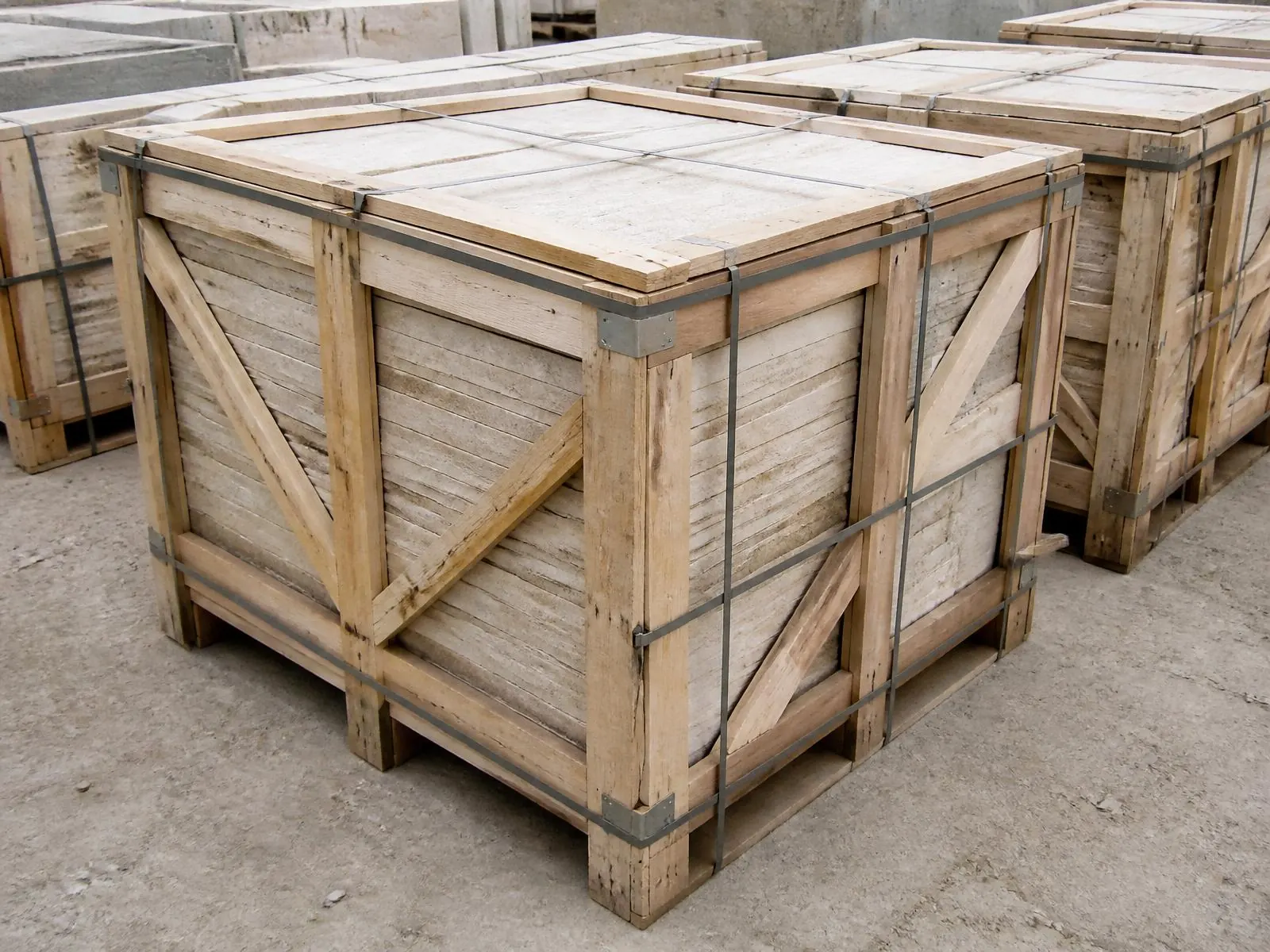
Before ordering, record the application, climate exposure, traffic, chosen finish, dimensions, thickness tolerance and required evidence. Approve a representative colour and texture range rather than one ideal tile. Confirm how the current quarry bed relates to any technical documents. Ask for packing that protects edges and faces, because installation quality starts with undamaged pieces. Share the supplier's information with the designer and installer, and obtain their confirmation that the complete system is suitable. If evidence is incomplete, narrow the claim or seek project-specific assessment rather than filling gaps with confident marketing language.
Before laying, inspect delivered material, compare it with approvals and set aside questionable pieces. Blend from multiple crates to distribute normal variation. Use competent installers familiar with natural stone and document the bedding, drainage, jointing and treatment products. Provide the owner with cleaning and maintenance guidance. Cold and wet conditions do not automatically rule out limestone paving, but they leave less tolerance for assumptions. A defensible choice combines suitable stone, an appropriate textured finish, batch-relevant information, water-conscious design and maintenance that keeps the surface draining and clean.
Allow the designer to review transitions at doors, channels and adjacent materials as well. These are common places for water to collect or for finished levels to compromise intended falls. Mock up a representative area when the visual blend, joint colour or surface texture is important. Observe the mock-up after rain and before approving the full installation. It gives all parties a shared reference and can expose practical concerns while changes are still manageable.
Key takeaways
- Assess the whole paving system, including drainage, bedding, joints and maintenance.
- Request batch-relevant evidence and identify the test method and represented finish.
- Prefer an appropriate textured finish for wet walking surfaces.
- A sealer cannot make unsuitable stone frostproof or repair poor drainage.
Related reading
More from the journal
Related stones and reading
Review a paving specification
Share your exposure, finish, sizes and quantity so the current stone range can be discussed cautiously.