

Finishes8 min
Limestone finishes explained — natural, honed, polished and brushed
Finish changes colour, texture, grip and maintenance as much as it changes appearance. The same limestone can perform very differently after processing.
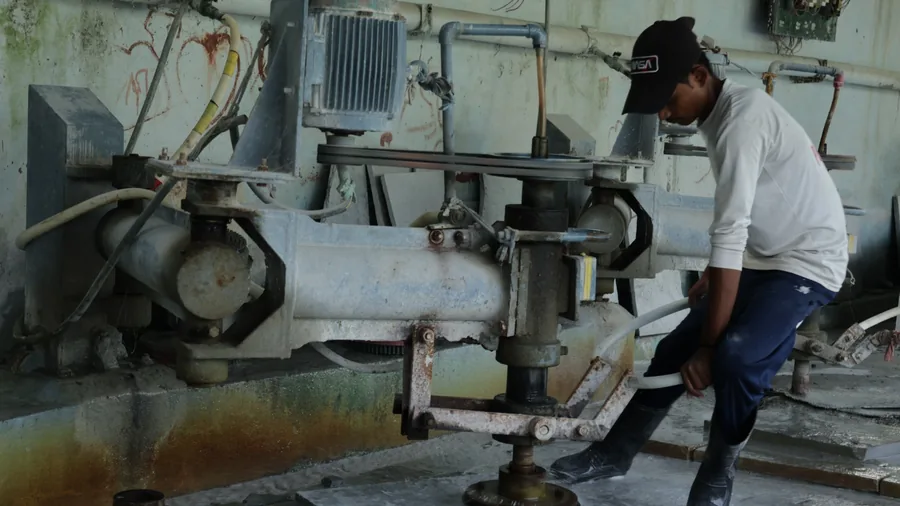
Finish is part of the specification
A finish is the way a stone face is split, cut or mechanically worked. It changes how light reflects, how colour reads, how the surface feels underfoot and how readily it shows wear or dirt. Calling a product simply Shahabad Grey does not define the visible result. Natural riven grey can look textured and varied; honing makes it quieter and flatter; polishing deepens colour and reflection; brushing softens relief. Buyers should approve the stone and finish together because a sample in one finish cannot reliably represent another.
Finish names are useful categories, not universal recipes. One producer's honed surface may be finer or more matte than another's, and brushing depends on the starting face, tools and number of passes. Natural cleft varies with the bedding of each piece. Ask for a physical reference, describe the intended appearance and retain an approved sample. For repeat orders, record the process or reference code as well as the marketing term. The goal is a reproducible range, not an impossible promise that every tile will match one sample.
Natural or riven finish
A natural finish, often called riven or natural cleft, follows the stone's bedding plane when it is split. The face has low ridges, shallow depressions and tonal movement created by both geology and shadow. It suits informal interiors, courtyards, paths and external paving where an appropriately selected textured face is desired. The degree of relief depends on the bed and splitting skill. Buyers should state whether pronounced variation is acceptable and how loose flakes are removed during production.
Riven face does not mean uncontrolled dimensions. Length, width, edge treatment and thickness range still require agreement. Calibration can reduce underside variation while preserving the natural top, although the resulting tolerance must be stated. Texture may help wet underfoot grip compared with smooth finishes, but no finish name guarantees a project-specific slip result. Deep cleft can hold dirt and make furniture or small wheels less steady. Review full-size pieces, not only a small hand sample, and include wet cleaning and access needs in the choice.
Honed finish
Honing uses progressively finer abrasives to create a flat, smooth surface with little or no reflective gloss. It usually produces a calm, contemporary appearance and makes the stone's base colour and fine markings easier to read than a riven face. Honed limestone is common for interior floors, wall cladding, stairs and work where an even plane matters. The chosen grit and the stone's structure influence the final look, so matte honed should be approved against an actual production reference rather than assumed from the word alone.
A honed face can show scratches, etching and traffic paths differently from textured stone. Limestone reacts with acids whether polished or honed, and a sealer reduces staining rather than preventing chemical etching. Smooth honed material may not be suitable for exposed wet walking areas without relevant evidence and professional assessment. Edge finish should coordinate with the face: a highly machined edge beside a deliberately soft face can look inconsistent. Ask whether visible saw marks, pinholes, fill or resin are permitted and how pieces are dried and cleaned before packing.
Polished finish
Polishing continues abrasive refinement until the surface develops a reflective sheen. It generally deepens colour, sharpens contrast and makes veins or fossil detail more prominent. The achievable gloss depends on the limestone; not every limestone takes or retains the same mirror-like polish. Polished Shahabad selections are best considered for suitable interior walls, low-risk decorative work and internal floors where the designer accepts the maintenance characteristics. Samples should be viewed under the actual lighting because reflections can exaggerate surface variation and installation lippage.
Polished limestone is generally not an appropriate choice for exposed exterior paving or wet horizontal circulation. It can be slippery when wet, and weathering may change the gloss. Fine abrasion, tracked grit and acidic spills can dull the surface, making local repairs conspicuous. Specify face protection and separators during packing, and ensure installers use compatible methods. Do not describe polish as a protective coating: it is a mechanical finish and the stone remains porous and acid-sensitive. Treatment decisions must be tested separately on the finished stone.
Brushed finish
Brushing works the face with abrasive brushes, often softening high points and opening a gently textured, worn-looking surface. It can begin from a sawn, honed or naturally textured face, so brushed alone is incomplete as a production description. The result may range from subtle satin movement to a pronounced aged texture. Brushing often gives limestone a tactile appearance without the sharper relief of a strong natural cleft, making it attractive for floors and walling where designers want softness rather than gloss.
Suitability still depends on the exact texture and application. A brushed sample should be assessed wet if proposed for an area exposed to water, and any slip evidence must match that process. Open texture can retain residues if cleaning is neglected, while excessive brushing may highlight softer geological features. Ask how edges are finished and whether the face is brushed before or after sizing. For replacement and repeat orders, keep a control sample because visual descriptions such as light brush or antique brush are interpreted differently between workshops.
Specify, sample and maintain the chosen face
Put the finish on the purchase order with stone, source, dimensions, tolerances, edge work and intended use. Approve several pieces showing normal colour and texture, in both dry and wet conditions where relevant. Ask whether the finish changes the nominal thickness and how surface quality will be inspected. For mixed components, confirm that steps, skirtings and cut-to-size pieces receive visually compatible processing. If a test result matters, verify that it belongs to the same stone and finish rather than a generic product family.
Plan care at the same time. Test grout, sealer and cleaner on spare finished pieces. Use limestone-compatible, non-acidic routine cleaners and prevent grit from abrading smooth floors. External textured surfaces need drainage and periodic removal of biological growth. Treatments can alter colour, sheen and underfoot behaviour, so follow product guidance and do not assume one sealer suits every finish. Choosing between natural, honed, polished and brushed is therefore not a ranking of quality. It is a match between appearance, exposure, use, installation and the maintenance the owner will actually provide.
Lighting and viewing distance should also be part of approval. Raking light across a smooth wall can reveal minor machining lines that disappear in diffuse light, while a textured floor may look more strongly varied at sunrise or under spotlights. Ask for a small laid sample or arrange several loose pieces together with the proposed joint. Rotate pieces and view them from the normal direction of approach. This assesses the combined surface more fairly than judging isolated tiles at arm's length.
Key takeaways
- Approve stone and finish together; one finish does not represent another.
- Natural is textured, honed is smooth and matte, polished is reflective, and brushed is softly worked.
- Polished limestone is generally unsuitable for wet external horizontal areas.
- Define the physical reference, edge work, tolerances and intended application.
Related reading
More from the journal
Related stones and reading
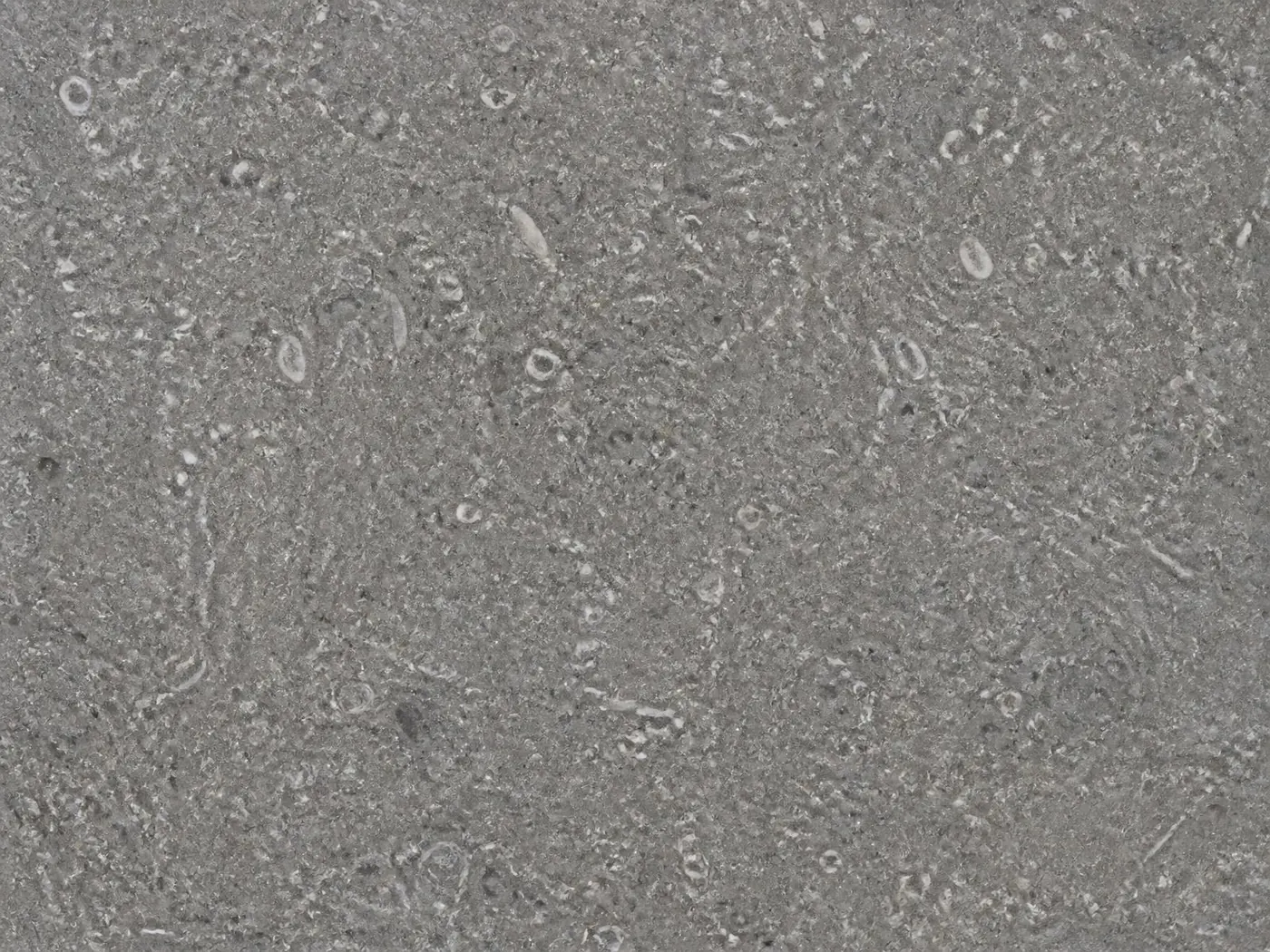
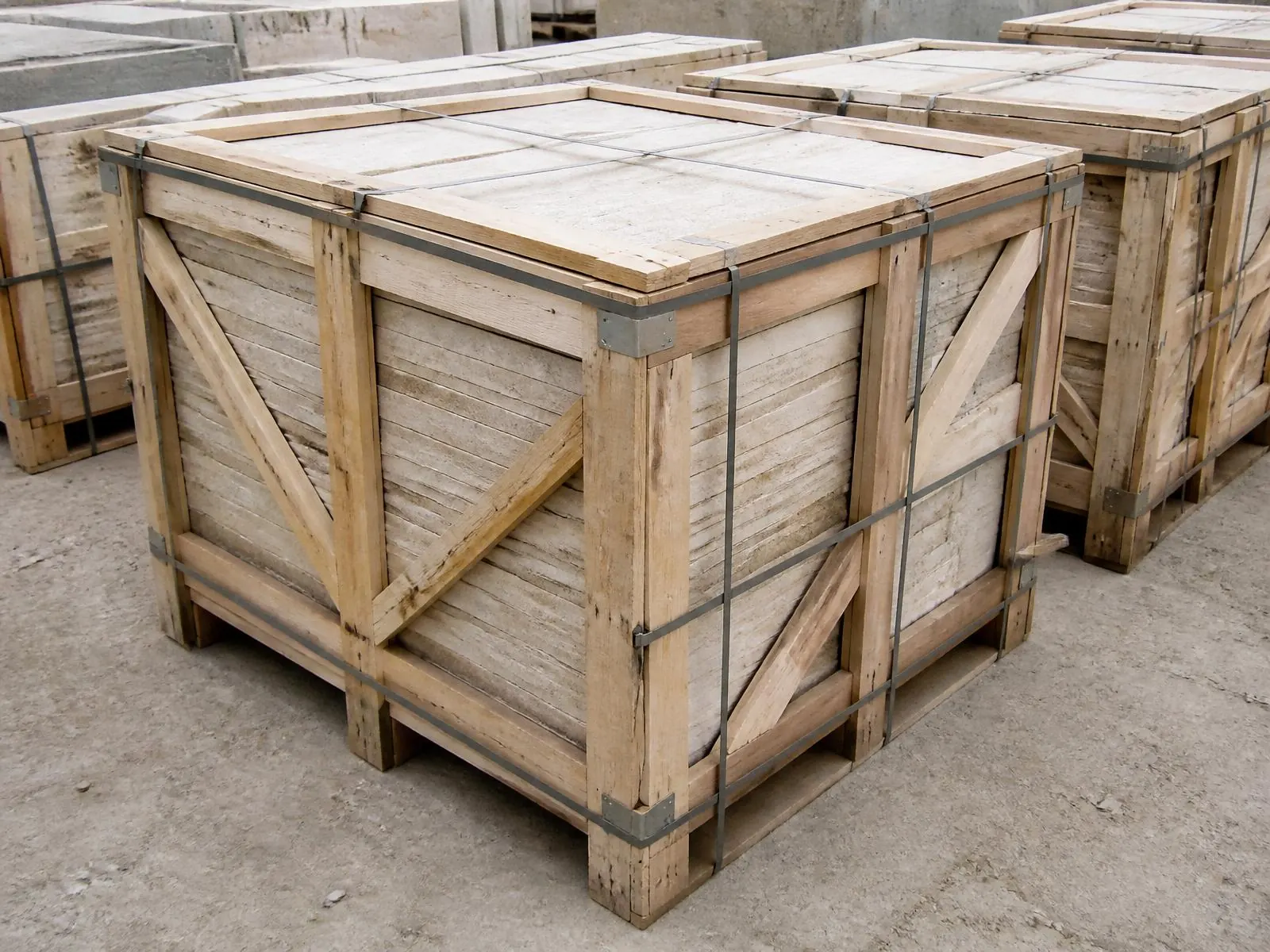
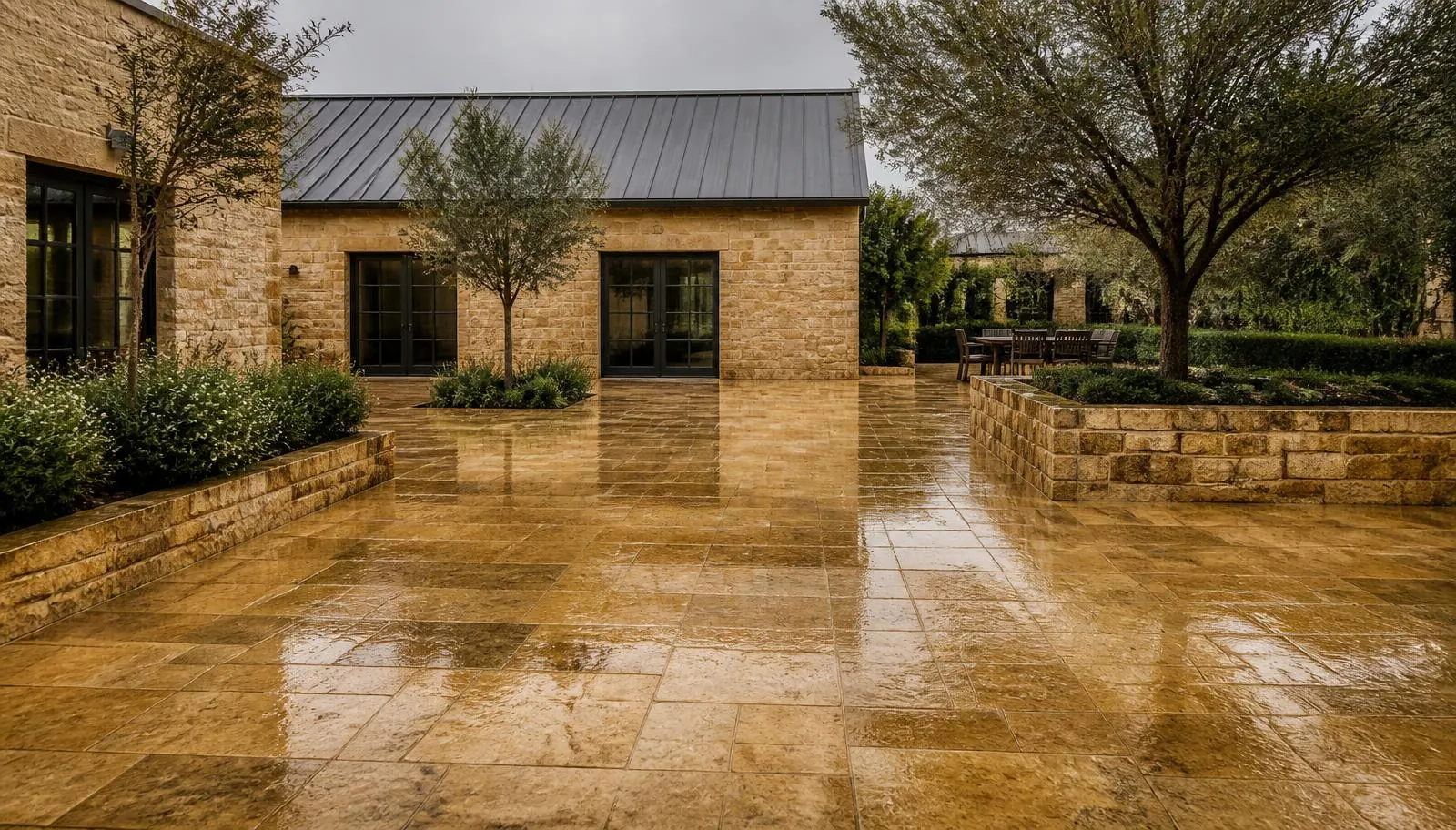
Compare finish samples
Request representative Shahabad limestone pieces in the finishes relevant to your application.